

 See My Latest Article on HelloNation
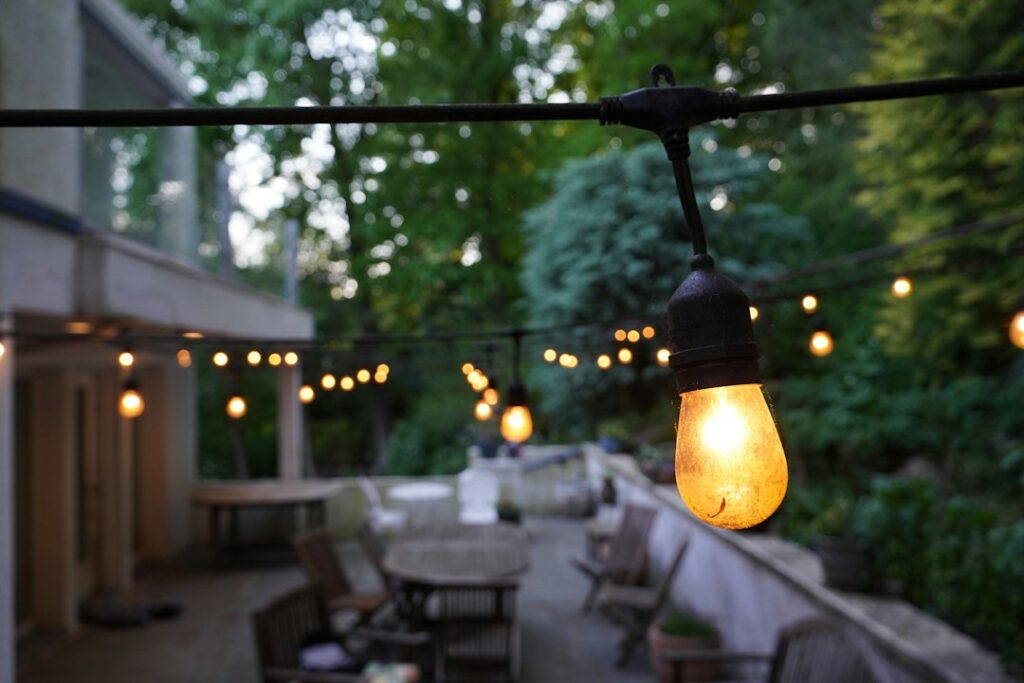
A well-lit backyard should feel inviting, not overly bright. For households in Milton, GA, a practical lighting plan can improve evening visibility around patios, walkways, planting beds, decks, and pools while preserving the darker, more natural character of the surrounding landscape.
Good outdoor lighting usually combines several low-intensity sources rather than relying on a single powerful fixture. The goal is to guide movement, highlight useful features, and reduce hazards without creating glare for people inside the home or nearby properties.
What should backyard lighting accomplish?
Backyard lighting should make outdoor spaces easier and safer to use after sunset while supporting the way the property is actually used. Lighting for a dining patio will have different requirements from lighting around a pool, garden path, or retaining wall.
A useful plan typically addresses four needs:
- Visibility: Help people see steps, path edges, changes in elevation, and furniture.
- Comfort: Reduce harsh glare and avoid shining light directly into people’s eyes.
- Atmosphere: Add gentle illumination around trees, patios, seating areas, and architectural features.
- Security awareness: Eliminate deep, confusing shadows near doors, gates, and frequently used paths.
Lighting does not need to make the entire yard equally bright. Darker areas between softly lit zones often create a more natural appearance and allow the eye to adjust comfortably.
Which lighting ideas work well for patios and seating areas?
Patio lighting works best when it is layered from several directions. A single overhead fixture can cast strong shadows and make faces difficult to see, especially around dining tables.
Consider combining:
- Low-voltage path or area lights near the edge of the patio
- Warm wall-mounted lighting near doors
- Downward-facing fixtures under a roof, pergola, or deck railing
- Small accent lights aimed at nearby trees or planting beds
- Portable lanterns designed for outdoor use
The most comfortable light usually comes from a concealed or shielded source. Fixtures should illuminate the surface people use rather than expose the bulb directly. For dining areas, lights that are too bright or too cool in color can make the space feel more like a work area than an outdoor room.
String lights may be useful on covered structures, but they should be installed so they do not sag into walkways or interfere with tree growth. They also need weather-rated connections and secure attachment points.
How can paths, steps, and slopes be lit safely?
Path lighting should show the route without producing a runway effect. Fixtures placed in a perfectly straight line can look unnatural and may create bright spots that do not evenly illuminate the walking surface.
A better arrangement is often staggered placement on alternating sides of a path. Space the fixtures according to their brightness, beam spread, and the shape of the walkway. The correct spacing is the distance that provides continuous guidance without overlapping into a harsh strip of light.
Steps and slopes need special attention. Lights can be placed:
- Along the side of a stairway
- Beneath stair treads
- On nearby walls or railings
- At the top and bottom of changes in elevation
Avoid positioning lights where the fixture itself becomes a tripping hazard. Cables should be protected, connections should remain above areas that collect water, and temporary extension cords should not become a permanent installation.
Properties with wooded areas, stone edging, or uneven ground may require more careful placement because shadows can hide roots, rocks, drainage channels, or landscape borders.
What lighting is appropriate around a pool?
Pool lighting should support visibility without creating glare across the water. Reflections can make even moderate fixtures appear much brighter than expected, particularly when lights are aimed directly at the pool surface.
For the surrounding deck and yard:
- Use shielded fixtures aimed downward or away from the water.
- Illuminate steps, ladders, gates, and changes in deck elevation.
- Keep bright fixtures out of direct sightlines from seating areas.
- Use equipment specifically rated for wet or damp locations.
- Follow applicable electrical safety requirements for fixtures near water.
Underwater pool lighting is a separate electrical category and should not be treated as a do-it-yourself project unless the installation method is specifically designed for safe, compliant use. Water, electrical wiring, and metal components require careful attention to bonding, grounding, placement, and protection from shock hazards.
A common misconception is that brighter lighting automatically makes a pool safer. Excessive brightness can create glare, obscure depth perception, and make it harder to distinguish the edge of the water from surrounding surfaces.
How can trees and garden beds be highlighted naturally?
Landscape lighting should reveal form rather than flatten the entire yard with brightness. Uplighting from below can emphasize tree trunks and branching structure, while downlighting from a secure elevated position can create a soft, moonlit effect on planting beds or lawn areas.
Useful approaches include:
- Uplighting: A fixture at ground level aimed toward a tree, column, or textured wall.
- Downlighting: Light directed downward from a tree or structure.
- Cross-lighting: Two lower-intensity fixtures aimed from different angles to reduce harsh shadows.
- Silhouette lighting: A light placed behind a shrub or ornamental tree to outline its shape.
- Grazing: A narrow beam placed near stone, brick, or textured bark to emphasize surface detail.

Avoid fastening fixtures directly to living trees with methods that could damage the bark or restrict growth. Fixtures should also be adjusted as plants mature. A light that looks properly aimed when a tree is small may create glare or unwanted shadows several seasons later.
Are solar lights practical for every part of a backyard?
Solar lights can work well for decorative accents, garden borders, and lightly used paths, but they are not equally dependable in every location. Their performance depends on direct sunlight, battery capacity, seasonal daylight, weather, and how much illumination is required.
Solar fixtures are usually most practical when:
- The location receives several hours of unobstructed sunlight.
- Moderate rather than high brightness is acceptable.
- The light is decorative or used for occasional guidance.
- The fixture can be repositioned as nearby plants grow.
Shaded areas beneath mature trees, covered patios, and north-facing spaces may not provide enough sunlight for consistent operation. During cloudy stretches or shorter winter days, output may decline. For frequently used paths, stairs, or pool-adjacent areas, a properly installed low-voltage system may provide more predictable performance.
What color and brightness should outdoor lights use?
Warm white light is generally more comfortable for residential landscapes than very cool white light. A warm tone can help preserve a relaxed appearance and reduce the stark contrast between the home and its surroundings.
Brightness should be matched to the task:
- Low brightness for planting beds and decorative accents
- Moderate brightness for paths, patios, and seating areas
- More focused illumination for steps, gates, entrances, and hazard points
Avoid mixing many unrelated color temperatures throughout the same view. A yard with warm path lights, blue-white wall fixtures, and colored decorative bulbs can appear visually disjointed.
Motion sensors can be useful near doors, side gates, and storage areas, but frequent activation may be disruptive near bedrooms or neighboring properties. Timers, photocells, or smart controls can provide more consistent operation while reducing unnecessary overnight lighting.
What should Milton households consider before installing lighting?
Seasonal weather, mature vegetation, and drainage patterns all affect outdoor lighting. Heavy rain can expose poorly protected connections, while soil movement, mulch work, and landscape maintenance can disturb buried cables. Trees and shrubs may also grow into the intended beam pattern.
Before installation, map:
- Irrigation lines and drainage routes
- Existing electrical outlets
- Steps, slopes, and retaining walls
- Tree trunks and future planting areas
- Locations where mowing or edging equipment will operate
- Views from nearby windows and seating areas
Outdoor fixtures should be checked periodically for tilted housings, damaged wires, clogged lenses, corrosion, and vegetation blocking the beam. After storms, inspect areas where soil has washed away or mulch has shifted. Small adjustments can restore useful illumination without increasing brightness.
A successful backyard lighting plan is usually modest, layered, and easy to maintain. The most effective setup guides people naturally through the space, protects important transitions, and leaves enough darkness for the landscape to remain part of the nighttime experience.