

 See My Latest Article on HelloNation
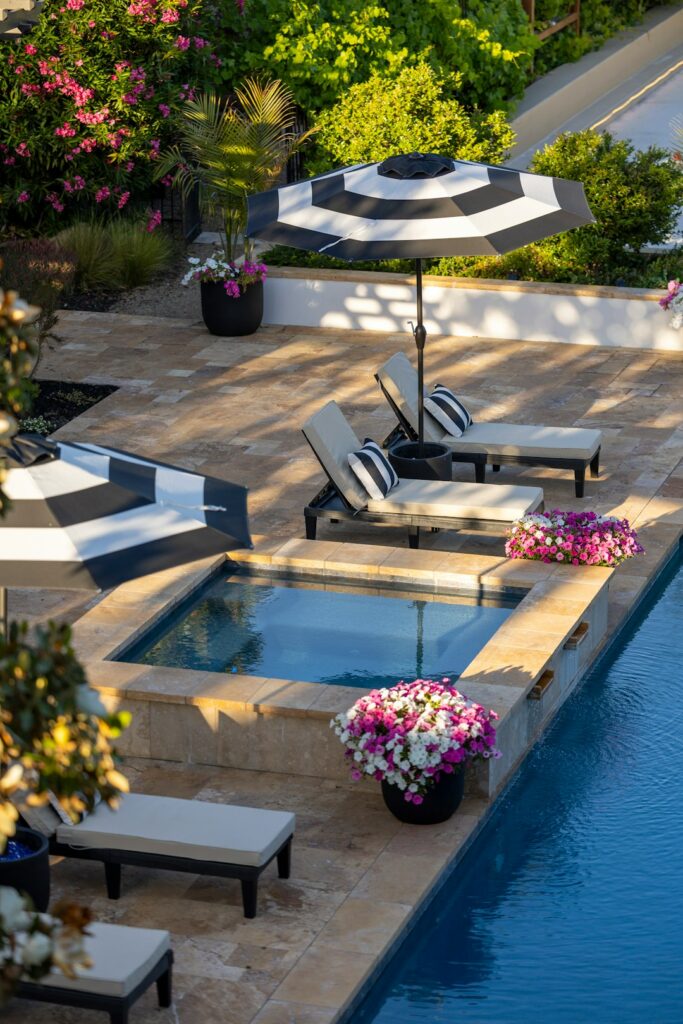
A natural pool and a traditional pool can both provide a place to swim, cool off, and gather outdoors, but they create very different maintenance routines and landscape settings. The better choice depends less on appearance alone and more on how a household plans to use the water, manage the surrounding property, and handle seasonal upkeep.
What is the difference between a natural pool and a traditional pool?
A natural pool uses plants, biological filtration, gravel, circulation, or a combination of these features to help keep the water clear. It is usually designed as part of a larger landscape and may include a separate planted regeneration zone or a planted section connected to the swimming area.
A traditional pool uses mechanical filtration and chemical sanitation. Chlorine is the most common sanitizer, although some systems use salt to produce chlorine on site. Traditional pools may be built with concrete, fiberglass, or a vinyl liner and are generally designed around swimming, lounging, and recreation rather than ecological treatment.
Neither type is maintenance-free. The main difference is where the work occurs:
- Natural pools require attention to plants, circulation, sediment, algae, and biological balance.
- Traditional pools require attention to sanitizer levels, pH, filtration, water chemistry, surfaces, and equipment.
Which type is easier to maintain?
For many households, a traditional pool is more predictable to maintain. Water testing, filtration, brushing, vacuuming, and chemical adjustments follow a familiar routine. Problems such as cloudy water or low sanitizer can often be identified through testing and corrected relatively quickly.
Natural pools may require less routine chemical handling, but they are not low-maintenance landscapes. Plants need trimming or replacement, pumps and filters still require inspection, and leaves or organic debris can affect water quality. The system also needs enough circulation and biological capacity to prevent the swimming area from becoming stagnant or overgrown.
A natural pool can be a good fit for residents who enjoy gardening and are comfortable treating the swimming area as part of a living landscape. A traditional pool may be easier for households seeking a more controlled and standardized maintenance process.
How do the two options perform in Milton’s climate?
Milton has hot, humid summers, heavy seasonal rainfall, pollen, falling leaves, and occasional freezing conditions. These factors influence both pool types.
Traditional pools can collect pollen, dust, and organic debris quickly during spring and summer. Rainfall can dilute chemicals and introduce soil or plant material. During autumn, nearby trees may increase skimming and filter-cleaning needs.
Natural pools can blend attractively with a planted yard, but warm weather and abundant organic material may also encourage algae growth if circulation or plant balance is poor. Heavy rain can wash soil, mulch, or lawn debris into the system. A natural pool therefore needs thoughtful grading and drainage so that stormwater does not flow directly into the swimming zone.
In either design, the surrounding landscape matters. Tree placement, gutter discharge, slope, erosion control, and the location of mulch beds can affect water quality as much as the pool itself.
Is a natural pool safe for swimming?
A properly designed and maintained natural pool can be suitable for swimming, but “natural” does not automatically mean safer or healthier. Water quality depends on circulation, filtration, sanitation, testing, and the separation of swimming and planted treatment areas where appropriate.
Natural pools should not be treated like unmanaged ponds. Standing water, excessive organic buildup, poor circulation, and uncontrolled wildlife access can create health and maintenance concerns. Swimmers should also follow ordinary pool hygiene practices, including showering before use and keeping animals out of the swimming area.
Traditional pools also require careful management. Chlorine does not replace testing, and clear-looking water is not proof that sanitizer and pH levels are appropriate. Children need supervision around either type of pool, and physical barriers remain essential.
Which option is better for landscaping?
Natural pools usually have a stronger connection to the landscape. Boulders, aquatic plants, native-looking edges, gentle curves, and surrounding habitat can make the water feature feel integrated with the yard. This approach may work well on larger properties where there is enough room for planting zones and natural transitions.
Traditional pools allow more flexibility in compact or highly structured outdoor spaces. Decking, patios, screened areas, retaining walls, and outdoor living spaces can be arranged around a clearly defined pool shape. This may be practical for households that want the pool to support frequent swimming, games, entertaining, or exercise.
Natural pools also need careful plant selection. Some plants may attract insects, shed excessive debris, spread aggressively, or become unattractive during colder months. A planting plan should account for seasonal appearance, maintenance access, sunlight, and the relationship between the pool and the rest of the yard.
Do natural pools attract mosquitoes?
A well-circulated natural pool is not the same as a stagnant pond, and mosquitoes generally prefer still water. However, pockets of standing water can develop in poorly designed edges, clogged filters, decorative containers, drainage areas, or neglected planting zones.
The risk depends on the entire property, not only the pool. Gutters, birdbaths, low areas, landscape containers, and blocked drainage can create breeding areas even when the main pool is maintained properly. Good circulation and regular inspection are important for either pool style.

Which type costs more?
The total cost varies widely because natural pools and traditional pools can be built in many different ways. A natural pool may require more land, excavation, planting, specialized circulation, and detailed grading. A traditional pool may involve substantial costs for excavation, structure, decking, filtration, heating, fencing, drainage, and electrical work.
Ongoing costs also differ. Traditional pools commonly involve sanitizer, testing supplies, electricity, repairs, and periodic resurfacing or liner replacement. Natural pools may use fewer conventional chemicals but can require pump electricity, plant maintenance, filter cleaning, sediment removal, and occasional redesign of planted areas.
Comparing only the initial installation price can give an incomplete picture. The more useful comparison is the expected cost and effort over many years, including seasonal maintenance and landscape work.
What should Milton homeowners check before choosing?
Before selecting a pool type, consider the property itself:
- Is there enough room for a planted filtration zone or only for a compact swimming area?
- Does the yard drain toward the proposed pool location?
- Are there mature trees that will add shade, roots, pollen, or leaf debris?
- Will the design require retaining walls, grading, drainage improvements, or erosion control?
- How much swimming space is actually needed?
- Will the pool be used for exercise, children’s play, relaxation, or occasional gatherings?
- Is regular gardening enjoyable, or would a more standardized maintenance routine be preferable?
- Can fencing, gates, equipment, setbacks, and access requirements be incorporated into the design?
Residential pools in Milton must also be planned around applicable permitting, barrier, setback, drainage, and property conditions. Lots with wells or septic systems may involve additional review. These requirements can affect the location and layout before construction begins.
Which pool is the better choice?
A natural pool may suit a household that values a landscape-centered setting, has adequate space, enjoys plant maintenance, and accepts seasonal changes in appearance. A traditional pool may suit residents who want a clearly defined swimming area, predictable water treatment, and a design centered on recreation and entertaining.
The most practical decision is the one that matches the property and the household’s willingness to maintain it. In Milton’s warm, rainy growing season, both options require attention to drainage, debris, circulation, and safety. The water may look different, but dependable upkeep is essential either way.