

 See My Latest Article on HelloNation
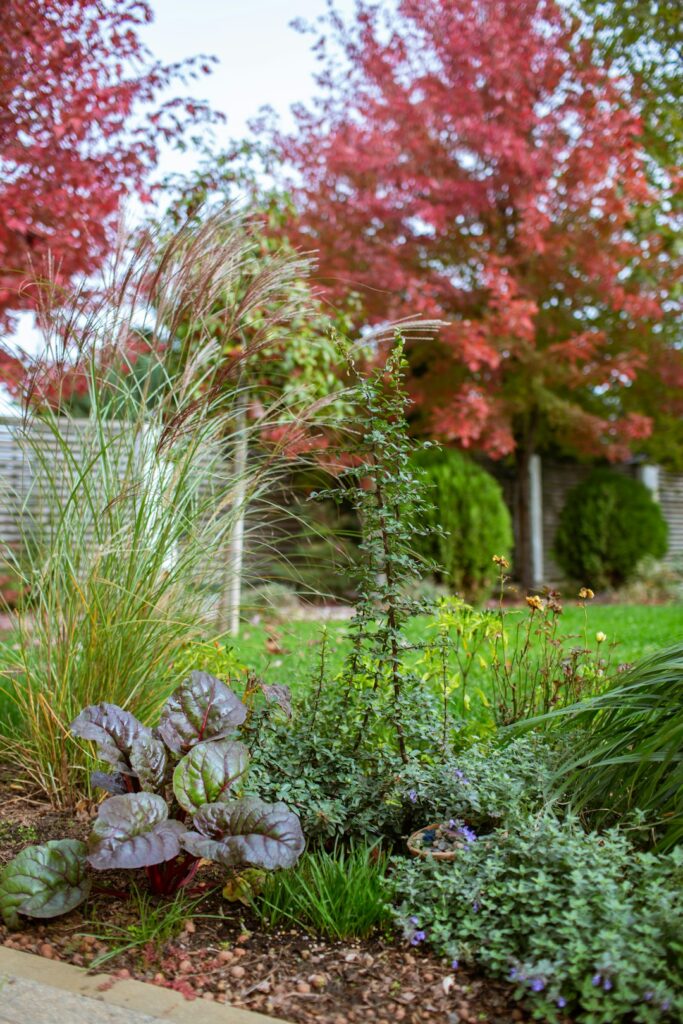
How Can Small Backyards in Milton, GA Be Transformed With Landscaping?
Small yards in Milton, GA can benefit from thoughtful landscaping by prioritizing function, local climate needs, and visual harmony. Recognizing the region’s mild climate and seasonal rainfall helps local homeowners choose plants and layouts that thrive without overcrowding or excessive maintenance.
Many homeowners want to maximize usable space, ensure privacy, and create inviting outdoor environments. Focusing on features that serve more than one purpose—such as built-in seating that also acts as a retaining wall, or plant beds that define zones—can make a big difference.
What Types of Plants Work Well in Limited Space Locally?
Selecting the right plants preserves space, reduces upkeep, and supports long-term garden health. In the community, native and well-adapted shrubs, groundcovers, and small trees offer good results.
Some practical choices include:
- Dwarf varieties of azaleas or hydrangeas for seasonal interest
- Compact ornamental grasses such as muhly grass
- Local pollinator-friendly perennials like black-eyed Susan or coneflower
- Creeping groundcovers for pathways or between stepping stones, such as creeping Jenny or mondo grass
Dense plantings along boundaries can provide privacy, especially for properties bordered by neighboring homes. Avoid fast-growing trees that may quickly outgrow a confined area.
How Can Limited Space Be Organized for Comfort and Use?
Careful zoning allows multiple functions in a small backyard. Start by identifying core needs—such as dining, relaxation, or a play area—then arrange them to get the most benefit from each square foot.
For instance:
- Install a small patio or deck in one corner rather than the center to free up open space
- Use movable furniture so the area can adapt to gatherings or quiet afternoons
- Define zones with low plantings or flexible partitions, not tall fences that can feel confining
- Integrate storage in benches or under deck areas to keep backyards tidy
Residents sometimes overlook the potential of vertical space—adding hanging planters, wall trellises for climbing plants, or narrow shelves provides greenery without taking up ground area.
How Can Privacy Be Achieved Without Closing In a Small Yard?
Privacy is a common concern, especially as homes in the area are often situated close together. Balance is key—screen unwanted views with layered plantings, lattice panels, or small espaliered trees rather than solid fences, which can make a small area feel smaller.
Some practical privacy solutions include:
- Clumping bamboo in containers (to avoid spreading in the local soil)
- Trellised vines such as clematis or Carolina jessamine
- Hedges of native holly or boxwood kept trimmed at eye level
- Portable privacy screens or pergolas draped with light fabric for flexible shade and seclusion
These methods allow sunlight and airflow to reach the yard while minimizing neighbor visibility.
How Should Local Climate and Soil Influence Plant and Design Choices?
Milton’s climate features hot, humid summers, cool winters, and relatively reliable rainfall. Select drought-tolerant plants for sunny patches, but ensure drainage is adequate to cope with occasional downpours.
Key tips:
- Amend dense local clay soils with compost or pine bark to prevent root rot in small, intensively planted beds
- Group plants by water needs to simplify irrigation
- Use mulch generously to conserve moisture and suppress weeds in confined areas

Homeowners sometimes underestimate the shade created by mature backyard trees. Observe patterns of sun and shade across the seasons before finalizing a design to match plant needs to real conditions.
Are Water Features or Pools Possible in Small Backyards?
Smaller yards can incorporate water features or plunge pools when planned thoughtfully. Modest-sized fountains, bubbling urns, or narrow reflecting pools provide soothing sound and visual focus without dominating the space.
For those considering a pool, compact shapes—such as rectangles, squares, or lap lanes—fit more easily. Surround these with permeable paving or low-maintenance groundcovers to avoid crowded edges.
Considerations for pools or water features:
- Check local regulations about setbacks and fencing
- Avoid crowding permanent structures too close together
- Choose elements proportional to the yard—smaller features complement the space better
What Are Some Low-Maintenance Ideas for Busy Households?
Easy-care landscaping supports households with limited time. Use hardy perennials, mulch pathways, and opt for automatic irrigation where practical. Replace large expanses of thirsty turf with groundcovers, ornamental gravel, or mixed plant beds.
A few low-maintenance approaches:
- Group plants with similar care needs together
- Choose disease-resistant varieties common to local landscapes
- Install paver paths or stepping stones set in gravel for access without muddy spots
- Limit the number of different plant species to simplify upkeep
Adapting designs to natural site conditions reduces long-term challenges, allowing the garden to thrive with less intervention throughout the year.