

 See My Latest Article on HelloNation
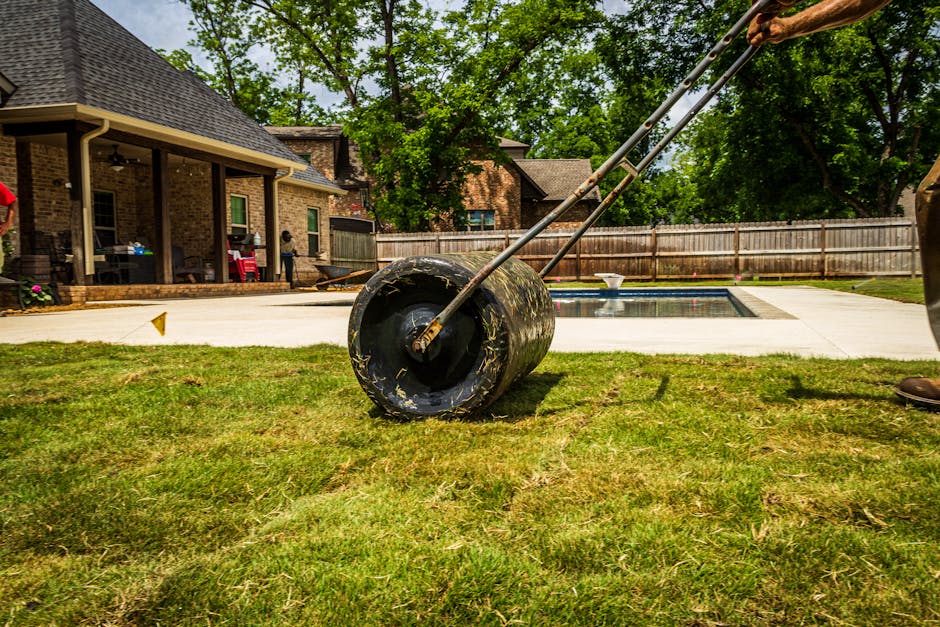
What Does “Low-Maintenance” Backyard Really Mean in Milton, GA?
A low-maintenance backyard in Milton, GA means a space that requires minimal ongoing care, keeping yardwork simple and reducing time spent on chores. This approach considers local climate, common soil types, and the typical blend of sun and shade found in neighborhoods.
A truly easy-to-care-for yard in the area manages natural challenges like summer heat, heavy rain, and occasional droughts with resilient plants and smart use of materials. It’s about anticipating needs so the backyard largely takes care of itself, rather than needing constant input.
How Can Plant Choices Make Future Yardwork Easier?
Local, drought-tolerant, and slow-growing plants are the backbone of a low-upkeep backyard in this region. Milton’s mix of red clay soil and humid summers favors certain species that can thrive with little intervention.
For the easiest care:
- Choose native shrubs such as inkberry holly or itea, which resist most local pests and disease.
- Use ground covers like creeping phlox or mondo grass instead of high-maintenance turf in difficult, shady spots.
- Limit the variety of plant types in borders, focusing on proven performers to reduce the complexity of pruning, fertilizing, and mulching.
Many homeowners overplant or select “exotic” varieties that look appealing but falter in Georgia’s conditions, creating more work and disappointment.
Are There Ways to Reduce Lawn and Grass Maintenance?
Yes—rethinking your grass can significantly shrink routine chores. Traditional lawns in Milton need frequent mowing, fertilizing, and irrigation, but there are alternatives:
- Shrink the lawn area by expanding planting beds or adding pathways.
- Consider using low-mow fescue blends or no-mow zoysia strains for primary turf; these options demand less water and infrequent mowing compared to common varieties.
- Plant grass only in usable play zones or high-traffic spots, not shade-dappled corners where grass struggles and weeds invade.
- Mulch pathways or gathering areas with pine bark, slate chips, or river stone—materials that suppress weeds and don’t need regular tidying.
Many local residents find that replacing part of their lawn with beds or mulched zones saves hours every month.
What Hardscaping Materials Save the Most Time?
Hardscape features like patios, edging, and walkways can either add upkeep or help cut it down, depending on material selection:
- Natural stone, gravel, or composite decking are good choices for patios and walkways, as they weather well and rarely need pressure-washing or resealing.
- Curved bed edges, made from stone or metal, prevent grass from creeping into mulched areas, saving handwork and reducing the need for frequent re-edging.
- Raised beds or defined borders funnel foot traffic, keeping grass wear and bare spots to a minimum.
- Using permeable pavers helps with drainage, a frequent backyard concern during intense summer rains in the city.
Try to avoid using poured concrete on slopes, as Milton’s clay soils can shift and crack hard surfaces over time, requiring repairs.
How Can Mulch and Groundcovers Help?
Mulching is an efficient tool for reducing weeds, retaining moisture, and insulating roots. In Milton, pine bark, pine straw, and hardwood mulch are locally common and widely effective.
- Apply a 2-3 inch layer annually to suppress weed seeds and keep soil temperatures even.
- Mulch rings around trees and perennials reduce mowing and trimming tasks.
- Living groundcover plants, such as ajuga or pachysandra, can replace mulch in shade and typically require only occasional thinning.
Beware of using thick layers of gravel close to house foundations; it can become a maintenance issue by trapping moisture near the home.
Are There Smart Ways to Handle Watering and Drainage?
Reliable watering is a major concern during dry periods in the community, especially for new plantings or lawns.
To keep things simple:
- Cluster plants with similar water needs together, so you water less often and more efficiently.
- Use soaker hoses or drip irrigation systems on timers to deliver consistent, low-volume watering directly to roots.
- Grade garden beds and install rain gardens or swales where runoff naturally pools, easing pressure on turf and preventing erosion.
- Choose drought-resistant plants in drier zones of the yard.
Automatic systems and thoughtful grading are underused by many households—even simple changes can prevent overwatering and soggy spots, especially after seasonal thunderstorms.
What Are Some Pool-Specific Low-Maintenance Ideas?
Pools can be a focus of higher maintenance unless thoughtfully planned. For less work:
- Surround pools with hardscape or non-shedding evergreens, limiting the amount of leaf litter and debris that reaches the water.
- Use pool covers to reduce cleaning and evaporation, especially during spring pollen season.
- Select fence styles and surfaces that resist mildew and don’t require painting or frequent scrubbing.
- Avoid planting fruiting or fast-growing trees near the pool, which often create messy cleanup tasks throughout the year.
Simple choices early in pool landscaping reduce future chores around the water.
What Do Many Residents Overlook About Year-Round Upkeep?
People often focus only on summer, but lower-maintenance backyards in the area consider all seasons. Winter leaves, spring pollen, and summer storms each bring unique cleanup challenges.
Tips that help throughout the year:
- Choose evergreens or plants with tidy habits to minimize raking in fall and early spring.
- Use simple designs and open areas to make leaf-blowing and seasonal cleanup quicker.
- Install windbreak plantings or strategic fencing if your yard is exposed to prevailing winds, containing debris in one area for easier collection.
Consistent, small streamlining steps can make every season more manageable, resulting in a pleasant, usable space year-round.