

 See My Latest Article on HelloNation
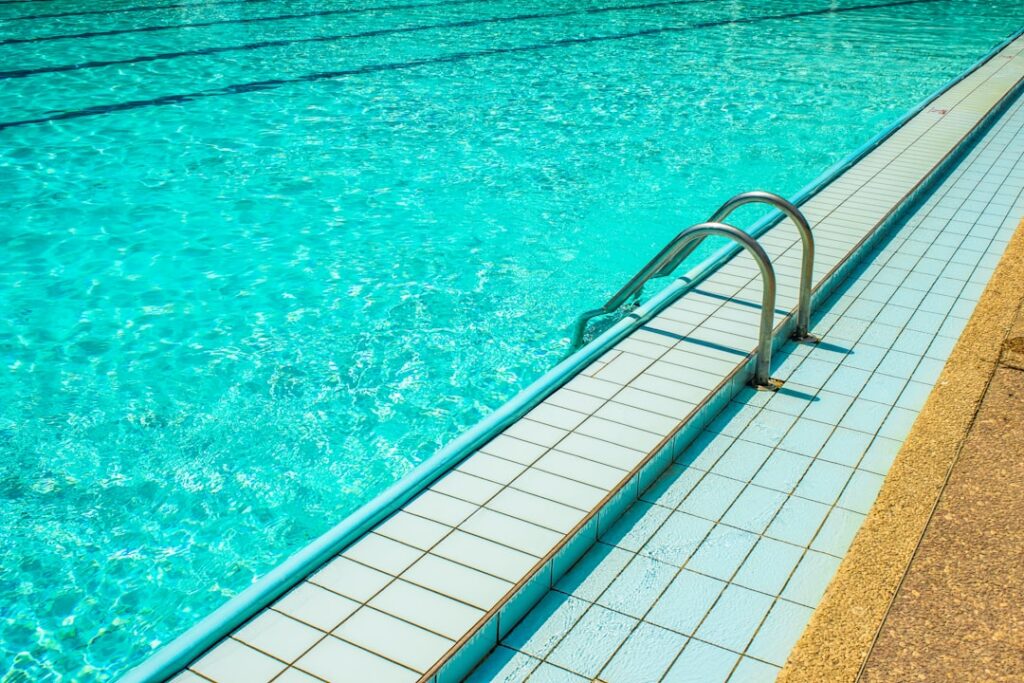
What Are the Basics of Pool Care in Milton, GA?
Routine pool care involves a few core tasks: balancing water chemistry, removing debris, regularly cleaning surfaces, and checking equipment. In the climate experienced by the area, pools are typically open from late spring through early fall. Warm, humid summers can encourage algae growth and heavy pollen accumulation, making ongoing attention necessary for clear, sanitary water.
Key elements of regular maintenance include:
- Skimming leaves and debris from the surface—especially important after thunderstorms or windy days, which are common in the summer.
- Vacuuming the pool floor and brushing walls several times a month to prevent algae and staining.
- Testing and adjusting water chemistry (pH, chlorine, alkalinity, calcium hardness) at least weekly.
- Monitoring water level, especially during heatwaves or drought periods, when evaporation is more rapid.
How Does the Local Climate Affect Pool Maintenance?
Milton, GA experiences warm, humid summers and occasional pollen surges in spring. Seasonal rains may introduce organic material into uncovered pools, while periods of drought can cause water loss and higher chemical concentrations.
Warmth and humidity promote algae growth, so local residents should:
- Test chlorine levels more frequently after heavy rainfall or intense heat, as both can reduce chlorine effectiveness.
- Clean out skimmer baskets and pump baskets more often during pollen-heavy periods or when surrounded by dense tree cover.
- Watch for early signs of algae—like cloudy water or slick pool walls—so issues can be addressed before they require intensive correction.
What Water Chemistry Factors Should Be Monitored?
Consistent, accurate water chemistry prevents cloudy water, irritation, and equipment damage. In the community, pool owners should pay attention to these specifics:
- Chlorine: 1-3 ppm keeps water sanitized.
- pH: 7.2-7.6 is recommended for comfort and effectiveness of chlorine.
- Alkalinity: 80-120 ppm helps stabilize pH.
- Calcium Hardness: 200-400 ppm to prevent corrosion or scale buildup, which can be an issue given the region’s mixture of rainwater and well water sources.
Test strips or liquid test kits are widely available. Always test after storms, large gatherings, or if water looks off, since any of these can quickly change the balance.
How Often Should a Pool Be Cleaned?
Surface skimming is a near-daily task during peak swimming season. Deeper cleaning, including brushing and vacuuming, is advisable every 1-2 weeks. In periods of heavy use or after storms, increasing frequency helps maintain safe conditions.
Pool filters should be backwashed or cleaned every 2-4 weeks, depending on usage, nearby foliage, and filter type. Cartridge filters require removal and spraying out, while sand and DE filters use a backwash process. Failing to clean filters often leads to cloudy water or poor circulation.
Are There Unique Challenges for Pool Owners in This Area?
Pollen, tree debris, and rapid growth of algae are notable local challenges. Pools surrounded by oaks, pines, or other mature trees are likely to require more frequent surface and filter cleaning, especially in spring. Stubborn yellow pollen can cloud the water and strain filters.
Another regional factor is water quality from wells or municipal supplies. Hard water and mineral content can influence calcium levels and create scale on tiles and equipment. Regularly checking and adjusting calcium hardness helps protect surfaces and plumbing from buildup or corrosion.
Do Local Regulations Affect Pool Care?
While most pool regulations relate to fencing, safety covers, and drainage, chemical storage and backwash water disposal are also important. The city’s codes require that backwashed or drained pool water not be released directly into storm drains, as it may harm local waterways. Instead, discharge should occur onto a vegetated area where possible.
Proper chemical storage away from direct sunlight and moisture is also highly recommended, both for safety and to prevent degradation. Residents should always follow labeling and ordinances regarding chlorine or other sanitizers.
How Should You Open and Close a Pool Each Season?
Opening a pool after winter involves removing and cleaning the cover, refilling to mid-skimmer level, reinstalling ladders and fittings, and running the pump continuously for 24-48 hours while balancing chemicals. Pollen buildup is a common discovery at opening, so plan for thorough skimming and filter cleaning.
Closing in late fall (after water drops below 60°F) includes:

- Deep cleaning all surfaces
- Lowering the water level just below skimmer (for mesh covers) or to tile line (for solid covers)
- Adding winterizing chemicals
- Blowing out and plugging plumbing lines
- Securing a pool cover to keep out debris and prevent accidents
Performing these steps helps prevent costly repairs and contamination over the winter, especially during freeze events that can occasionally affect the region.
What Are Common Pool Care Mistakes to Avoid?
Some frequent, often-overlooked issues include:
- Over-chlorinating after algae appears, which may bleach liners or worsen problems if not combined with brushing and filter cleaning.
- Ignoring pH and alkalinity, leading to eye irritation, scaling, or ineffective sanitizing.
- Failing to properly backwash or clean the filter, especially during peak pollen season.
- Letting water level fall below skimmer intake, running the risk of pump damage due to air intake.
A steady schedule, supported by good record-keeping, reduces the risk of major headaches through the summer.
What If Pool Water Looks or Smells Off?
Cloudy water, strong odor, or irritation signals a possible chemistry imbalance, algae problem, or poor filtration. Quick steps:
- Immediately test water parameters and adjust as needed.
- Clean or backwash the filter.
- Check for debris buildup in baskets or intakes.
- If algae is present, brush vigorously and maintain adequate chlorine until clear.
Persistent issues may require more elaborate shock treatments, but most common problems can be managed with regular diligence.