

 See My Latest Article on HelloNation
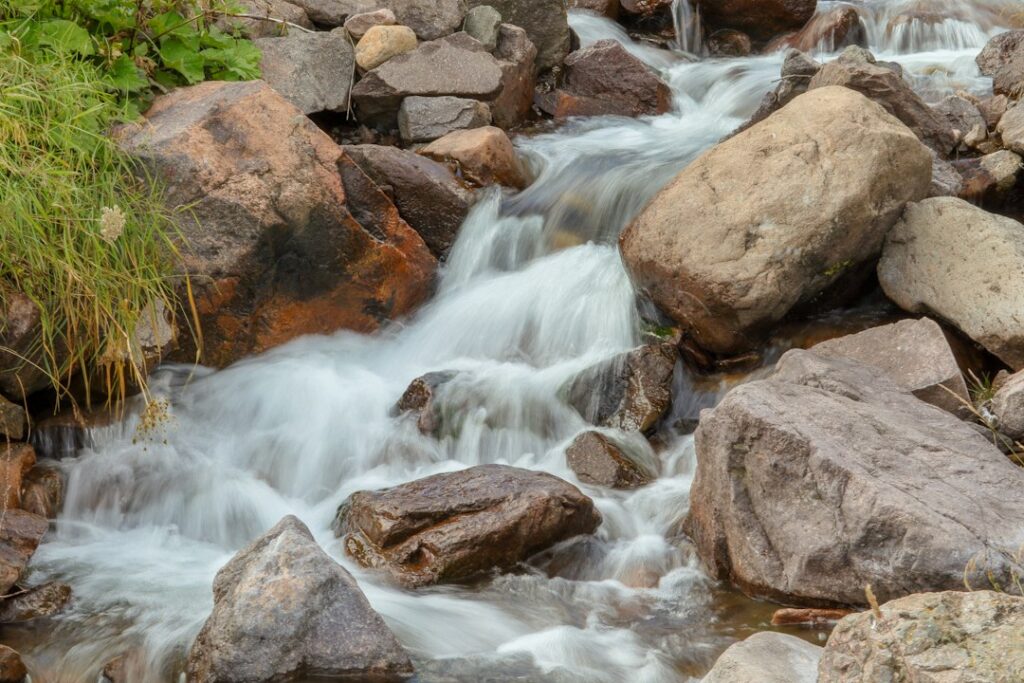
Rocks can add structure, texture, drainage support, and year-round visual interest to a landscape. Used thoughtfully, they help define planting beds, guide water, protect soil, and create natural-looking transitions around lawns, patios, walkways, and pools.
In Milton, GA, rock features are especially useful because local landscapes often include sloped yards, heavy summer rainfall, clay-influenced soil, mature trees, and outdoor living areas that need to remain attractive through changing seasons.
How can rocks improve a residential landscape?
Rocks serve both decorative and practical purposes. A carefully placed stone border can separate mulch from turf, while a larger grouping can anchor an otherwise open planting bed. Gravel can create a stable surface for foot traffic, and larger stones can slow water movement on a slope.
Useful landscape applications include:
- Defining the edge of a garden bed
- Creating a dry creek-style drainage feature
- Protecting soil from erosion
- Building a low-maintenance path
- Framing a pool or patio area
- Supporting plants that prefer sharp drainage
- Adding contrast beneath trees or beside evergreen shrubs
- Creating a natural transition between lawn and woodland areas
The most successful designs usually combine rocks with plants rather than treating stone as a replacement for the entire landscape.
What types of rock work well in a yard?
The best rock depends on the intended use, the surrounding architecture, and the amount of maintenance a household wants to manage.
Gravel and small decorative stone work well for pathways, drainage strips, seating areas, and narrow side-yard spaces. Smaller stone is easy to spread but may shift under foot traffic or wash downhill during heavy rain.
River rock has rounded edges and a softer appearance. It is useful in dry creek beds, drainage channels, and planting areas where a natural look is preferred. Because rounded stones can move more easily, they are not always ideal for steep slopes.
Angular crushed stone tends to lock together better than smooth gravel. It can create a more stable walking surface and is often useful beneath larger stones or in areas where water needs to pass through.
Flagstone provides broad, flat pieces for stepping paths, informal patios, and accent areas. Irregular spacing usually looks more natural than a perfectly measured grid.
Boulders can serve as focal points, informal retaining elements, seat-like features, or visual anchors around trees and planting beds. Their scale should match the yard. A single oversized boulder may look out of place in a small bed, while several small stones may disappear in a large open area.
Can rocks help with drainage and erosion?
Yes, but rocks work best when they are part of a drainage plan rather than simply placed over wet soil. A dry creek bed, for example, can direct runoff through a shallow, planted channel while reducing the force of flowing water.
A practical drainage feature may include:
- A shallow, gently curved channel
- Larger stones along the sides
- Smaller rock in the center
- Plants that tolerate periodic moisture near the edges
- A defined outlet that does not send water toward a foundation or neighboring property
On sloped ground, rocks can interrupt the downhill flow of water. Short sections of stone edging, strategically placed boulders, or planted terraces may help slow runoff. However, rock alone will not correct major drainage problems. If water regularly collects beside a foundation, undermines a walkway, or moves soil into another property, the underlying grade and flow path need to be addressed.
How can rocks be used around a pool?
Rock can make a pool landscape feel more connected to the surrounding yard, but safety and heat should guide the design.
Flat, stable stone can create visual bands around a pool deck or separate the pool area from planting beds. Larger decorative rocks may work farther from the water, where they cannot become tripping hazards or interfere with walking paths.
Consider these factors:
- Use stable surfaces in areas where people walk barefoot.
- Avoid loose stone directly beside ladders, steps, and entrances.
- Choose lighter-colored materials carefully because dark stone can become very hot in direct sun.
- Keep rough or sharp-edged rock away from active play areas.
- Leave enough clearance for cleaning, maintenance, and safe movement.
- Prevent soil and loose gravel from washing into the pool during storms.
Rock features near water also need attention during leaf season. Organic debris can collect between stones and contribute to algae or unpleasant odors if the area stays damp.
What are creative ways to use boulders?
Boulders can create a sense of permanence without requiring a formal wall or built structure. They look most natural when partially set into the ground rather than placed completely on top of it.
Ideas include:
- Grouping three stones of different sizes near a planting bed
- Using a large boulder to mark a change in elevation
- Placing stones near the base of a mature tree, without covering the trunk flare
- Creating a visual boundary between lawn and woodland
- Combining boulders with ornamental grasses and low shrubs
- Using a broad, flat stone as a garden focal point
- Repeating similar stone shapes in separate parts of the yard for visual continuity

Avoid arranging rocks in evenly spaced rows. Natural groupings usually have varied heights, gaps, and orientations. The buried portion should also be considered; a stone often appears more integrated when part of its mass is set below the finished grade.
Can rocks replace mulch?
Rocks can replace mulch in some areas, but they are not interchangeable in every planting bed. Organic mulch gradually breaks down and adds material to the soil. Rock does not improve soil structure and can make planting changes more difficult.
Rock mulch may be practical around drought-tolerant plants, along drainage strips, beside foundations, or in narrow spaces where wind tends to scatter bark mulch. It is less suitable around plants that prefer cool, evenly moist soil or in beds that are frequently replanted.
Before installing rock, remove weeds, correct grading issues, and use an appropriate landscape fabric only where it serves a clear purpose. Fabric can reduce mixing between soil and stone, but it does not eliminate weeds permanently and may make future planting more difficult.
How should rock beds be planned for local conditions?
A rock feature should account for sun exposure, runoff, tree roots, maintenance access, and seasonal temperature changes. Areas beneath mature trees may have extensive roots near the surface, making deep excavation difficult. Heavy shade also limits which plants will perform well among stone.
In sunny areas, rock can increase reflected heat and dry the soil quickly. In low areas, tightly packed stone may trap leaves and slow drying if water has nowhere to exit.
Before spreading material, observe the yard during and after rainfall. Note where water flows, where soil washes away, and which areas remain damp. This simple observation often reveals a better location for a dry creek bed, gravel path, or erosion-control planting than a purely visual design plan.
What common mistakes should homeowners avoid?
Several problems occur when rock is selected only for appearance:
- Installing small gravel on a steep slope where it will migrate downhill
- Covering drainage problems instead of correcting the water flow
- Placing stone against tree trunks
- Using sharp rock beside walking or play areas
- Choosing dark material in a location with intense afternoon sun
- Filling a bed so deeply that plant crowns and stems become buried
- Mixing too many unrelated rock colors and textures
- Creating narrow gaps that collect leaves and become difficult to clean
A restrained palette usually looks more natural. Repeating one primary stone, one supporting stone size, and a compatible plant group can create a cohesive landscape without making the yard feel overly designed.
How much maintenance do rock features require?
Rock landscapes are not maintenance-free. They generally need periodic leaf removal, weed control, edge reshaping, and occasional replenishment when stone shifts or sinks into the soil.
After heavy storms, inspect slopes, drainage channels, and areas near downspouts. Look for displaced gravel, exposed fabric, clogged flow paths, and new areas of erosion. Keeping edges defined also prevents rock from spreading into turf, pool decks, or walkways.
When used with appropriate plants and sound grading, rocks can provide durable structure while reducing the need for frequent replanting. Their greatest value comes from combining visual interest with a clear purpose: guiding water, protecting soil, framing plants, or making outdoor spaces easier to use.