

 See My Latest Article on HelloNation
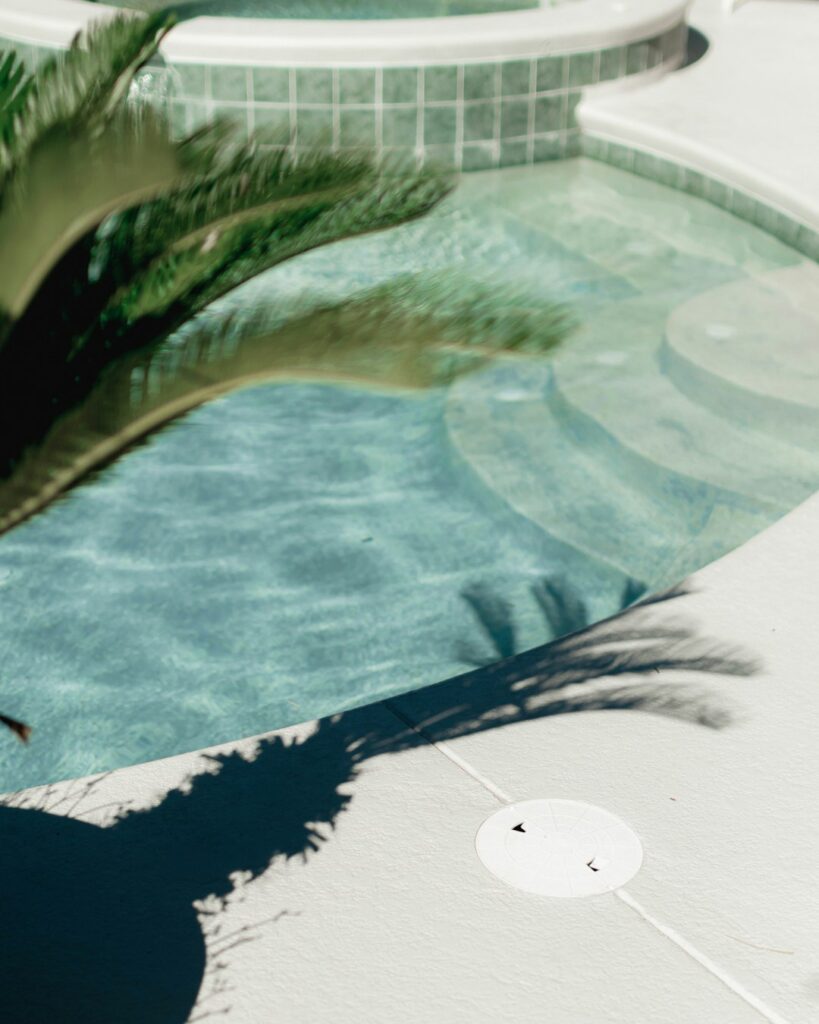
What Causes Pool Algae Growth in Milton, GA?
Pool algae thrive in warm, sunny environments with stagnant or poorly maintained water, making local pools especially susceptible during the city’s humid summers. Algae spores can enter pool water via rain, wind, contaminated swimsuits, or pool equipment. Rapid growth often occurs if disinfectant levels drop, circulation is poor, or leaves and debris accumulate.
Several factors unique to the area can raise the risk:
- Shaded backyards bordered by trees contribute to organic debris in pools.
- Seasonal thunderstorms introduce runoff and drifting spores.
- Periodic irrigation or landscaping work may unintentionally push dirt into pools.
How Can Residents Prevent Algae in Their Pools?
Consistent water care and quick responses to small issues help prevent algae. Maintaining the right pool chemistry is essential. For most backyard pools in the area, these habits are effective:
- Test chlorine and pH two to three times per week, especially from late spring through fall.
- Keep chlorine in the recommended range (generally 1–3 ppm) and pH near 7.4–7.6.
- Run the pool pump long enough daily to turn over the entire pool volume.
- Remove leaves, grass, and insects before they settle to the bottom.
- Brush pool walls and steps weekly; algae often start in crevices or shaded spots.
- Backwash or clean the pool filter regularly to maintain circulation.
Seasonal changes—like pollen bursts in spring or leaf drop in fall—require more frequent skimming and filter monitoring to limit nutrients that feed algae.
Which Types of Pool Algae Are Most Common Here?
There are three main varieties that pool owners typically encounter:
- Green algae: The most widespread, shows up as hazy water or slimy patches on walls. It spreads rapidly in warm, stagnant water.
- Mustard algae (yellow): Looks like brownish dust, often clings to shady areas or pool steps. It’s more persistent and may resist normal chlorination levels.
- Black algae: Appears as dark spots with robust roots, often on rough surfaces like concrete or plaster. Black algae are the most challenging to treat due to protective layers.
Green algae outbreaks are the most frequent in the community, fueled by hot, humid days and occasional gaps in pool maintenance routines.
What Should You Do If You Already See Algae in Your Pool?

Respond promptly if you notice slimy surfaces, discolored water, or unusual spots. Quick action limits the spread and reduces cleanup time.
Steps to remove established algae:
1. Skim out leaves and debris to maximize chlorine effectiveness.
2. Brush affected walls, steps, and corners vigorously to break up the algae’s hold.
3. Check and adjust pH (target 7.2–7.6); lower pH increases chlorine’s power.
4. Shock the pool by adding a large dose of chlorine (follow label or pool volume calculator). For green or mustard algae, double the typical shock amount.
5. Run the pump continuously for at least 24 hours to circulate the chemical treatment.
6. After 24 hours, vacuum the dead algae residue to waste, not through the filter, to avoid clogging.
7. Backwash or clean the filter after treatment.
In the case of black algae, scrubbing with a stiff brush and repeating the shock process may be needed several times. Black spots often persist if not forcefully removed.
How Can Weather and Local Landscape Impact the Pool’s Algae Risk?
The region’s tree canopies contribute to regular leaf drop and shade, two factors that boost algae potential. During periods of heavy rain, phosphates and organic debris can wash in from landscaped areas, providing nutrients for algae blooms.
Pool covers can help during storms but need to be cleaned and stored dry to avoid introducing algae when reapplying them. Pools near grass or mulched beds benefit from landscape barriers or paving stones that reduce soil movement into the water.
After thunderstorms or high pollen events, extra skimming and water testing help maintain balance and prevent outbreaks common during these shifts.
Are There Common Misconceptions About Preventing Algae?
Several myths can hinder effective algae control:
- It's a mistake to assume clear water always means safe water. Algae can grow unnoticed in cracks and corners, even if the main pool looks clean.
- Using more chlorine alone is not always the answer; if pH is too high or filter flow is poor, chlorine won’t work as efficiently.
- Automatic cleaners help with debris, but walls and corners still need manual brushing, especially after storms or if trees shade the pool.
Regular, all-around care—not just visible surface cleaning—best protects against algae's return.
What Ongoing Habits Make Pools in the Area Less Prone to Algae?
Pools stay clearest when routine matches outdoor conditions. Before and after seasonal changes, inspect and clean around pool decks and trim back plants that drop excess organic matter. During the busy swimming season, daily skimming and frequent water testing is easier than dealing with a major bloom.
Every few weeks, look for slippery spots or discoloration, and don’t ignore minor fuzz in corners; catching these early means fewer chemicals and less elbow grease down the line.