

 See My Latest Article on HelloNation
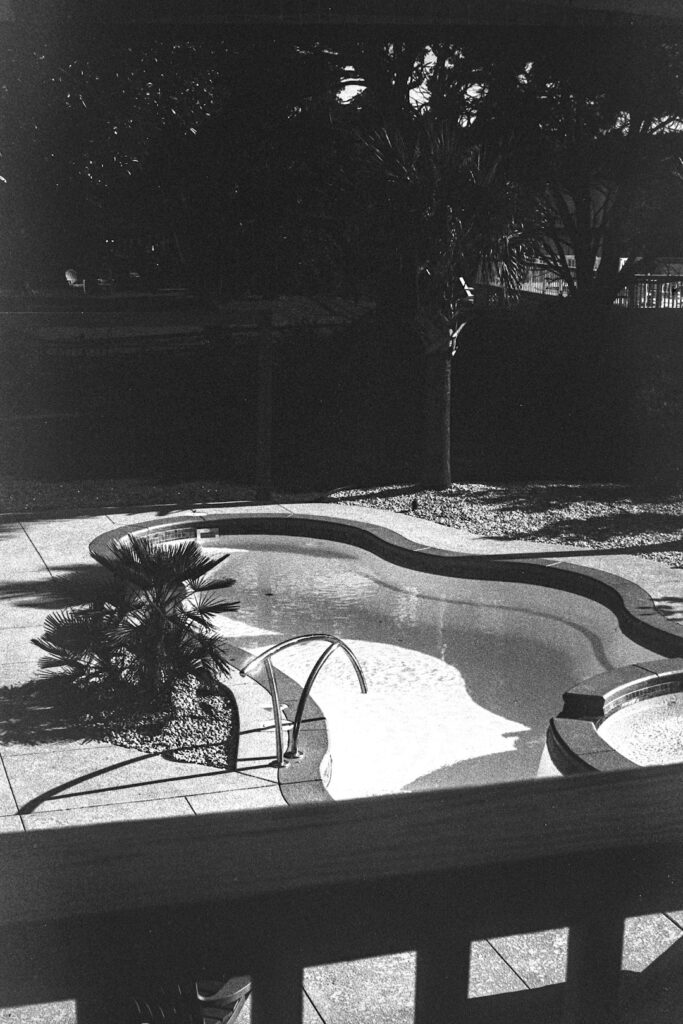
A pool can handle heavy rain, but the surrounding equipment, water chemistry, electrical systems, drainage, and outdoor furniture may not. In Milton, GA, thunderstorms can bring strong wind, hail, lightning, and intense rainfall in a short period, so preparation should focus on reducing loose debris, protecting mechanical components, and keeping runoff under control.
What should be done before a storm reaches the area?
The most useful preparation happens before thunder is audible. Once lightning, high winds, or a warning is present, outdoor pool work should stop.
Begin with a walk around the pool area and secure or remove anything that could become airborne. This may include:
- Patio furniture and umbrellas
- Lightweight planters and decorations
- Pool floats and toys
- Cleaning tools, nets, and poles
- Loose covers, cushions, and outdoor waste containers
- Removable fencing panels or temporary landscape features
A storm-blown chair can damage a pool finish, coping, automatic cover, screen enclosure, or nearby windows. Store movable objects indoors whenever possible. Heavier furniture should be tied down only if the tie-down method is designed for that purpose; improvised ropes or straps can fail and create additional hazards.
Check that gates close securely and that no branches are hanging over the pool or equipment pad. Trees do not need to fall directly into the water to cause damage. Broken limbs can strike plumbing, fencing, lighting, pumps, or retaining features.
Should the pool be drained before heavy rain?
Usually, no. Draining a pool before a storm can create greater structural risk than leaving it filled. An in-ground pool that is emptied or significantly lowered may be vulnerable to hydrostatic pressure from saturated soil, particularly where groundwater rises after prolonged rainfall.
A filled pool also provides weight that helps stabilize the shell. Lowering the water level is generally considered only when there is a specific, known reason and a safe plan for managing groundwater and structural conditions.
Heavy rain may dilute the water and raise the pool level, but that is normally managed after the storm. If water approaches the deck, begins entering the equipment area, or threatens to overflow into a structure, the situation becomes more site-specific and may require qualified assessment.
What should happen to the pump and filter?
The circulation system should not be left running blindly during severe weather. Lightning, flooding, power surges, and wind-driven debris can damage electrical components.
Before a storm:
- Confirm that the equipment area is clear of leaves and standing water.
- Know where the pool equipment breaker and disconnect are located.
- Follow the equipment manufacturer’s instructions for shutting down the pump during severe weather.
- Turn off power if water is rising around electrical equipment or if the electrical system has been damaged.
- Never handle electrical switches while standing in water.
Do not enter the pool or stand near the equipment pad during lightning. Water, metal plumbing, ladders, handrails, lighting systems, and electrical equipment can all conduct electricity. The safest approach is to move indoors when thunder is heard and wait until the storm has fully passed.
After a power interruption, avoid repeatedly resetting breakers. First inspect for water intrusion, damaged wiring, burning smells, unusual sounds, or visible impact damage. If any of those conditions are present, keep the system off until it can be evaluated safely.
Should a pool cover be used during a storm?
A properly installed safety cover may protect the water from debris, but a loose or poorly secured cover can become a hazard. Do not place a standard winter-style cover over an operating pool unless it is designed for that use and installed correctly.
Automatic covers should be closed only according to the system’s instructions. Heavy debris, accumulated rainwater, or standing water on top of a cover can strain the mechanism and may cause damage when the cover is opened. Never walk on a cover unless it is specifically rated for that purpose, and do not use a cover as a substitute for a secure barrier.
A cover also does not eliminate the need to secure furniture, remove toys, or check drainage. Wind can lift unsecured materials onto the cover or push water and debris toward the pool.
How can drainage problems around the pool be reduced?
Stormwater management is especially important in developed residential areas because roofs, driveways, patios, and compacted soil can send large amounts of runoff toward lower parts of a property. Pool decks, retaining walls, slopes, and equipment pads may be affected if water has no clear route away.
Before a major storm, inspect:
- Deck drains and channel drains
- Downspout outlets
- Yard inlets and grates
- Swales and shallow drainage paths
- Areas where soil has washed away
- The ground around the pump and filter
- Low spots near retaining walls or the pool shell

Remove leaves and sediment from grates, but do not remove drain covers or safety components. Keep soil, mulch, pine straw, and landscape debris from washing into drains. Do not redirect runoff onto a neighboring property or block a drainage easement.
If water repeatedly collects near the pool, note where it comes from and where it goes. A recurring problem may involve grading, undersized drainage, erosion, or a blocked outlet rather than a pool equipment failure.
What should be checked after wind, hail, or flooding?
Wait until there is no lightning and the area is safe to enter. Wear sturdy shoes and avoid touching downed wires, damaged electrical equipment, or unstable tree limbs.
Inspect the area in stages:
1. Look for fallen branches, broken glass, damaged fencing, and loose objects.
2. Check whether the pool level has risen excessively or whether muddy runoff has entered the water.
3. Look for cracks, displaced coping, broken tiles, damaged skimmers, or separated fittings.
4. Inspect the pump, filter, heater, valves, and electrical connections for water or impact damage.
5. Check drains and yard inlets again after debris has settled.
6. Photograph visible damage before moving large objects or beginning cleanup.
Do not turn on equipment that was submerged or splashed by contaminated floodwater. Floodwater can carry soil, sewage, lawn chemicals, fuel, and other pollutants. It may also damage electrical insulation even when the equipment appears dry.
How should storm-damaged pool water be treated?
Do not swim until the water has been tested and the circulation system is operating normally. Heavy rain can lower sanitizer concentration, change pH, add organic debris, and introduce contaminants. Muddy water may also clog filters quickly.
Remove large debris with a net, allow suspended material to settle when appropriate, and test the water using reliable equipment. Typical checks include sanitizer level, pH, alkalinity, and water clarity. If floodwater entered the pool, treat it as contaminated rather than simply adding extra chemicals and swimming immediately.
Avoid mixing chemicals or adding products without understanding the current water readings. Chemical adjustments should be based on test results and the product label. Keep children and pets away from cloudy or contaminated water until it has been properly restored.
Which storm risks are often overlooked?
Lightning is often treated as a pool-use issue, but it is also an equipment and landscaping concern. A strike or nearby surge can affect pumps, lighting transformers, automation controls, irrigation components, and household electrical systems.
Another overlooked risk is erosion. Fast-moving water can expose plumbing, undermine deck edges, wash soil from around trees, or weaken a slope near the pool. Small channels that appear after one storm can become larger problems during the next heavy rainfall.
Residents should also remember that a severe storm can occur outside the most familiar warm-season pattern. Weather alerts, local drainage conditions, and the condition of trees and outdoor structures matter more than the calendar alone.
A storm-ready pool is not necessarily one that remains perfectly clear through every downpour. It is one with secured surroundings, accessible shutoffs, clear drainage, protected electrical equipment, and a careful inspection process after the weather passes.